

One of the first questions new growers ask is: how long germinate cannabis seeds? While it would be convenient to have an exact answer, cannabis germination time varies based on seed quality, age, temperature, moisture, and the method you use. For choosing strong starting material, see our guide to healthy cannabis seeds.
In favorable conditions, most viable cannabis seeds begin to germinate within 24 to 72 hours. Some take closer to a week, especially if the seeds are older, have a thicker outer shell, or are exposed to less-than-ideal conditions. Patience matters—but so does knowing when a seed may need attention.
This guide explains typical cannabis germination time, what happens during each stage, how to encourage successful sprouting, and when to worry about seeds that have not opened. For a general reference on seed sprouting biology, the Encyclopaedia Britannica overview of germination is a helpful primer.
Important: Always follow the laws and regulations that apply where you live before germinating or cultivating cannabis seeds.
What Is Cannabis Seed Germination?

Germination is the process in which a dormant seed absorbs moisture, activates its internal energy stores, and starts growing. The seed shell softens and eventually cracks open. A small white root, called the taproot, emerges first.
That taproot is the beginning of the plant’s root system. Once it anchors into a suitable growing medium, the seedling pushes upward and develops its first rounded leaves, known as cotyledons. Shortly afterward, the first true serrated cannabis leaves appear.
For germination to happen, a seed generally needs three essentials:
- Moisture: To soften the seed coat and trigger metabolic activity.
- Warmth: To support steady biological processes.
- Oxygen: To allow the developing seed to respire.
Too little of any one of these can slow the process. Too much water, meanwhile, can limit oxygen and contribute to rot or mold.
Average Cannabis Germination Time
Most healthy, mature cannabis seeds follow a fairly predictable timeline.
Typical Timeline: 1 to 7 Days
Under stable conditions, many seeds crack within one to three days. The taproot may become visible shortly after the shell opens.
However, not every seed moves at the same pace. A reasonable expectation looks like this:
- 24–48 hours: Fast, fresh, vigorous seeds may split open.
- 2–4 days: A common timeframe for many viable seeds.
- 4–7 days: Still normal, particularly for tougher or older seeds.
- 7–10 days: Possible, but the seed may be slow, stressed, or less viable.
- More than 10 days: Germination becomes less likely, although it is not impossible.
The key is to avoid digging up or repeatedly handling a seed just because it has not sprouted immediately. Disturbing it can damage the emerging taproot, which is extremely delicate.
Factors That Affect Cannabis Germination Time
If you are wondering why one seed opened overnight while another has taken several days, the answer is usually found in the growing environment or the seed itself.
Seed Age and Storage
Fresh, properly stored seeds often germinate more quickly than old or poorly stored seeds. Seeds can remain viable for years when kept cool, dark, and dry, but their germination rate may decrease over time.
Older seeds often take longer because their outer shell may be harder and their internal reserves may be less vigorous.
Seed Maturity and Quality
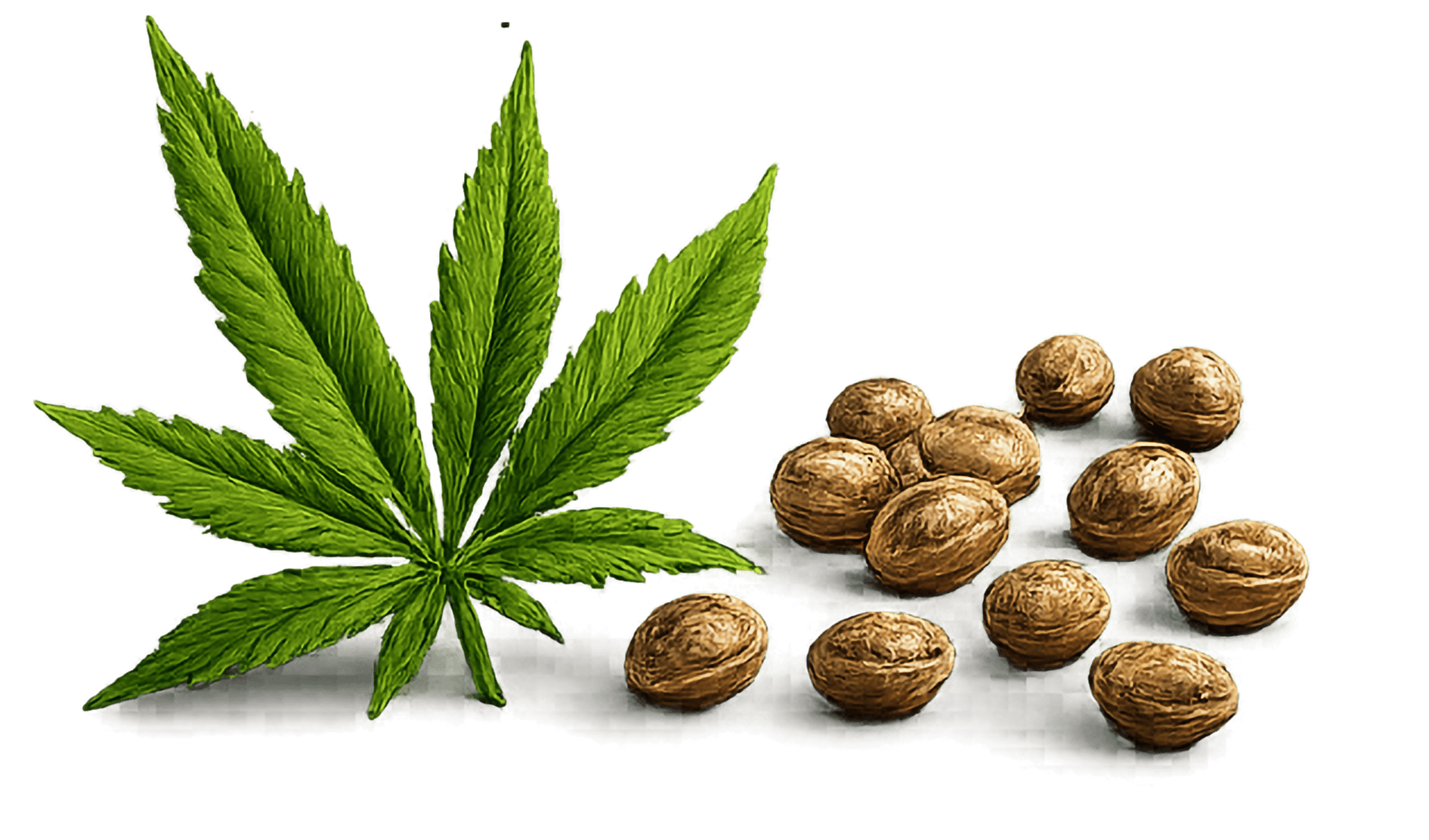
Mature seeds are generally more likely to germinate successfully. They are often firm, dry, and darker in color—commonly brown, gray, or mottled—with a hard outer shell.
Immature seeds may look pale, greenish, soft, or underdeveloped. These can sometimes germinate, but they are less dependable and may take longer to open.
Temperature
Temperature strongly influences cannabis germination time. Seeds generally prefer a consistently warm environment, around 70–80°F (21–27°C).
Cool conditions can slow activity inside the seed, extending the time needed for the shell to crack. Excessive heat can dry the seed out, stress it, or encourage harmful microbes.
A stable temperature is more useful than dramatic swings. For example, placing germinating seeds near a cold window at night and a hot radiator during the day may create unnecessary stress.
Moisture Level
Seeds need moisture, but they should not be submerged indefinitely or left in soaking-wet conditions. A paper towel, starter plug, or soil should feel damp rather than dripping.
Overwatering is a common cause of delayed germination. When the medium is saturated, air spaces fill with water and the seed receives less oxygen. This can lead to slow growth, rot, or a seed that never emerges.
Oxygen and Airflow
A seed buried too deeply, packed into dense soil, or submerged in water for too long may struggle to access oxygen. This is why a light, airy starting medium is helpful.
If you use a covered container to retain humidity, ensure it is not sealed so tightly that stale air and condensation become excessive.
Germination Method
The method you choose can affect how quickly you see results. Some methods allow you to observe the taproot directly, while others leave the seed undisturbed in its final growing medium.
The best option is usually the one you can keep consistently warm, moist, and clean.
Common Germination Methods and Their Timing
Paper Towel Method
The paper towel method is popular because it lets you monitor progress easily.
Place seeds between two clean, moist paper towels, then keep them in or between plates, or inside a loosely closed container. The towels should remain damp—not soaked—and the setup should stay warm and out of direct light.
Expected cannabis germination time: Often 1–5 days.
Once the taproot is visible and has grown a few millimeters, transfer the seed carefully into its growing medium with the root facing downward.
Direct-to-Soil Method
With this method, seeds are planted directly into lightly moistened soil or a seed-starting mix. Planting depth is commonly around ¼ to ½ inch (about 0.5–1.5 cm).
This approach avoids transplanting the fragile taproot. The drawback is that you cannot see whether the seed has cracked until the seedling breaks the surface.
Expected cannabis germination time: Usually 3–7 days to see a seedling emerge above the soil.
Remember that germination may occur underground before anything is visible. A seed can have a healthy taproot even if the seedling has not yet appeared.
Starter Plug or Peat Plug Method
Starter plugs are designed to retain moisture while allowing airflow. They can be convenient for growers who want a tidy, low-disturbance approach before moving seedlings into larger containers.
Keep the plug evenly moist and warm. Avoid squeezing it tightly, as compression can reduce air around the developing root.
Expected cannabis germination time: Commonly 2–7 days.
Water Soak Method
Some growers soak seeds in room-temperature water for a short period before placing them in soil, a paper towel, or a starter plug. This can help soften the shell, particularly for older seeds.
However, seeds should not be left submerged for too long. Extended soaking can deprive them of oxygen and raise the risk of damage.
Expected cannabis germination time: Some seeds crack within 24–48 hours, but many still need additional time in another medium.
What Healthy Germination Looks Like
A healthy seed usually begins by splitting at the seam. The taproot emerges as a small, white or cream-colored point. As it grows, it should generally look firm and pale rather than dark, slimy, or mushy.
After planting, the seedling may emerge with its shell still attached. This is often temporary. In a humid environment, the shell usually loosens as the cotyledons open.
Example of a Normal Timeline
Here is what a typical successful germination process may look like:
1. Day 1: The seed is placed in a warm, moist environment.
2. Day 2: The shell appears swollen or begins to crack.
3. Day 3: A tiny white taproot emerges.
4. Day 4: The seed is transferred carefully to a growing medium.
5. Days 5–7: The seedling rises above the surface and opens its cotyledons.
6. Days 7–10: The first true leaves begin to develop.
Not every seed follows this exact schedule. The important thing is gradual, healthy progress.
How to Speed Up Germination Without Damaging Seeds
The goal should not be to force seeds to germinate as quickly as possible. Instead, focus on providing the conditions that allow them to germinate naturally and reliably.
Keep Conditions Stable
Choose a warm location with a steady temperature. A seedling heat mat designed for propagation can help in cooler environments, but avoid overheating the medium.
Use Clean Materials
Clean hands, fresh paper towels, sterile starter plugs, and clean containers can reduce the chance of mold or bacteria interfering with germination.
Avoid Excess Water
A damp environment is ideal. A waterlogged environment is not. If paper towels are dripping, gently press out excess moisture before placing the seeds inside.
Handle the Taproot Carefully
Once the root appears, avoid touching it directly whenever possible. Use clean tweezers or gently guide the seed by its shell. Plant the root downward and cover it lightly.
Do Not Keep Checking Every Few Hours
Repeated handling can cause accidental damage. Check once or twice a day rather than constantly opening the germination setup.
Why Cannabis Seeds Sometimes Fail to Germinate
Even with careful preparation, some seeds will not sprout. Germination rates are influenced by genetics, storage history, maturity, and environmental conditions.
Common causes include:
- Seeds that are old or poorly stored
- Immature or damaged seeds
- Low temperatures
- Excessive heat
- Overly dry conditions
- Oversaturated paper towels or soil
- Mold or bacterial growth
- Planting too deeply
- Rough handling of the seed or taproot
A seed that remains unopened after a week is not automatically unviable. If it still looks firm and healthy, it may simply be slow. But if it becomes soft, discolored, moldy, or gives off an unpleasant odor, it has likely failed.
When Should You Give Up on a Seed?
There is no universal deadline, but many growers reassess seeds after 7 to 10 days. If there has been no sign of cracking, swelling, or root development by then, the chance of success is lower.
Before discarding a slow seed, consider whether the environment has been consistently warm and moist. If conditions were too cold or too dry, improving them may still make a difference.
Avoid aggressive attempts to remove the seed shell or force it open. Scarification and other advanced techniques can sometimes help older seeds, but they also increase the risk of damaging the embryo inside.
Conclusion
So, how long germinate cannabis seeds? In ideal conditions, most viable seeds begin germinating within 1 to 3 days, while many take up to 7 days to crack or emerge as seedlings. Factors such as seed age, quality, temperature, moisture, oxygen, and handling all influence cannabis germination time.
The best approach is simple: keep seeds warm, lightly moist, clean, and undisturbed. With patience and stable conditions, healthy seeds usually reveal their taproots soon enough and begin the next stage of their growth journey.