
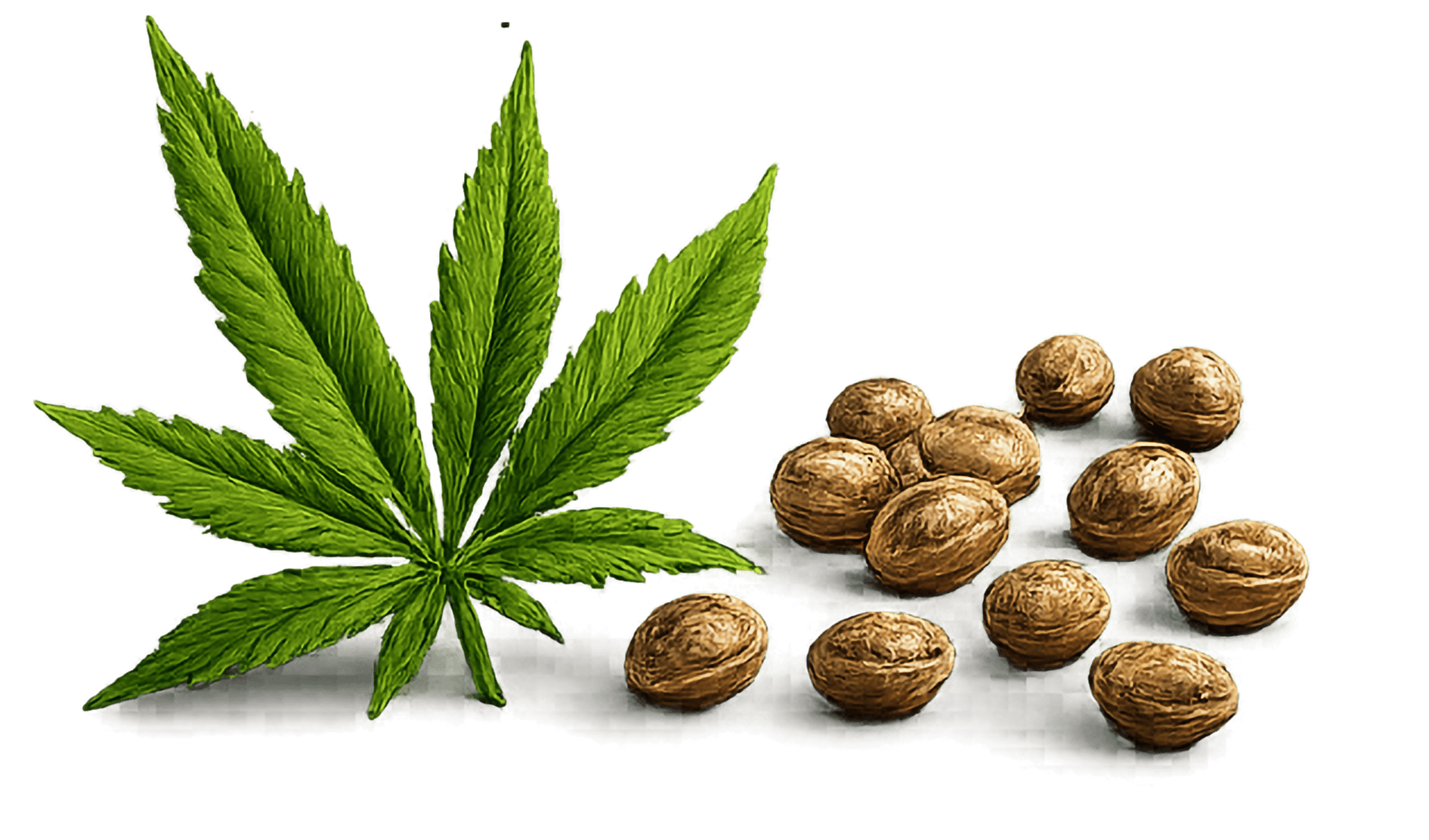

Monitoring cannabis plant health is one of the most valuable skills a grower can develop. Healthy plants usually grow steadily, produce vibrant leaves, and respond well to normal care. When something begins to go wrong, the first warning signs are often small changes in leaf colour, growth speed, posture, or new development.
The key is to observe plants regularly rather than waiting until a problem becomes severe. By learning what a healthy cannabis plant looks like and understanding common cannabis deficiencies, growers can identify issues early and make careful, informed adjustments.
Always follow the laws and regulations that apply where you live. This guide is intended for educational purposes and focuses on responsible plant care.
Why This Matters
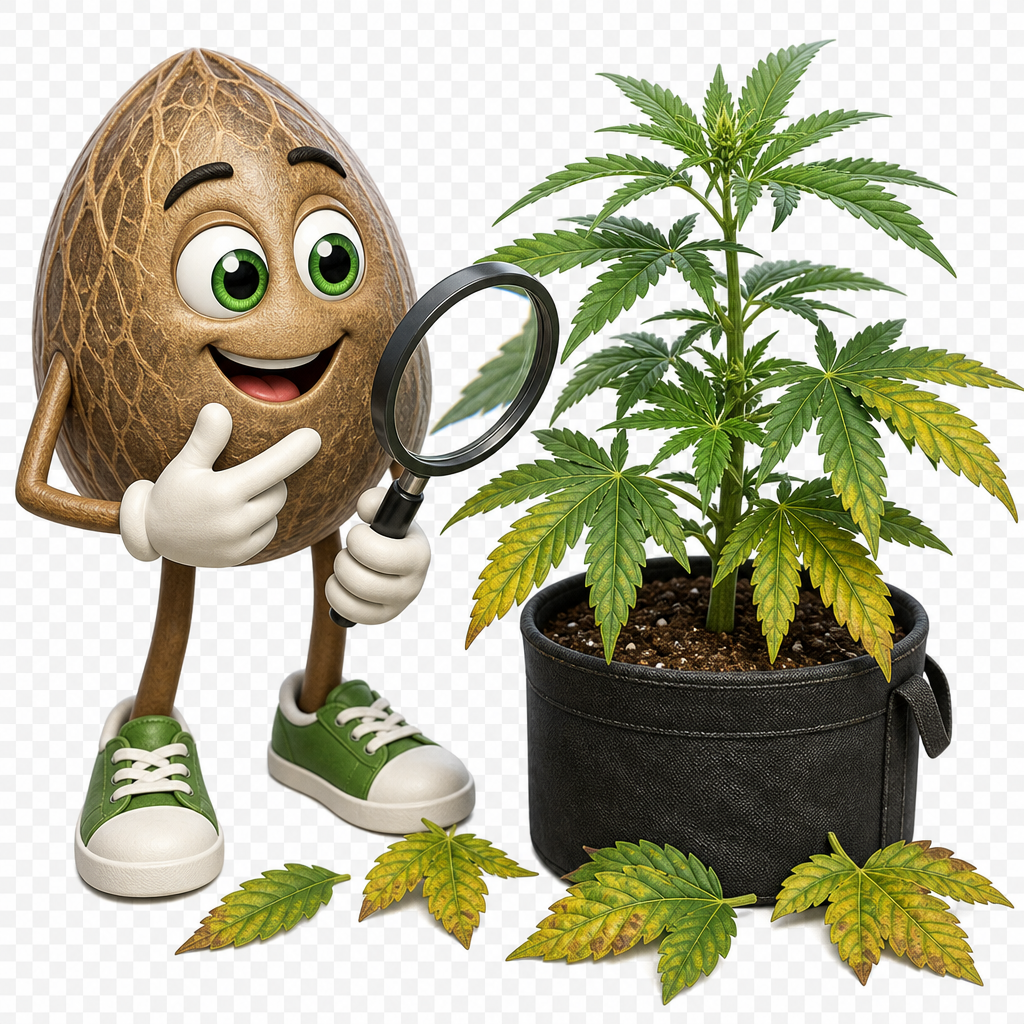
Cannabis plants communicate through their appearance. Leaves, stems, roots, and new growth can all reveal whether the plant has the right balance of water, light, nutrients, airflow, and environmental conditions.
Early detection matters because many problems look similar at first. For example, yellow leaves may result from normal aging, overwatering, nitrogen deficiency, root stress, or pH-related nutrient lockout. Looking at the whole plant and its growing conditions helps you avoid treating the wrong problem.
Regular monitoring also prevents unnecessary intervention. Not every yellow leaf or curled tip requires immediate action. A calm, methodical approach is usually more effective than adding extra nutrients, changing several environmental settings, and creating new stress for the plant.
Learn the Signs of a Healthy Cannabis Plant
A healthy cannabis plant does not need to be perfect, but it should show generally stable and balanced growth. Its leaves should have an even green colour appropriate for the cultivar and growth stage, while new growth should appear regularly.
Look for these positive signs:
- Leaves that are mostly flat or gently angled toward the light
- Consistent green colour without widespread spotting or blotching
- New leaves that develop normally without severe twisting
- Firm stems that support the plant’s growth
- Steady growth between inspections
- A growing medium that drains properly and does not remain saturated
- No visible insects, webbing, unusual residue, or mildew-like growth
Young plants may have lighter new leaves than mature foliage. This is often normal, especially when new growth deepens in colour as it matures. Plant shape can also vary with genetics, training methods, and seed type, so compare each plant with its own recent condition rather than expecting every plant to look identical.
Create a Simple Plant Health Routine
A short daily visual check is often enough to spot early changes. Inspect plants at roughly the same time each day under good lighting, without handling them more than necessary.
- New growth: Check the newest leaves near the top. These can reveal emerging calcium, iron, sulphur, or micronutrient-related issues.
- Older leaves: Check lower foliage for yellowing, spots, or fading. Mobile nutrient issues, including nitrogen, phosphorus, potassium, and magnesium concerns, often appear here first.
- Leaf posture: Watch for drooping, curling, clawing, or leaves reaching upward unusually.
- Stems and branches: Look for weak growth, discoloration, breakage, or pest activity.
- Growing medium: Check moisture, drainage, and unusual smells. Healthy roots need oxygen as well as water.
- Pests and disease: Inspect leaf undersides, where many pests hide.
Keep a simple notebook or digital log of watering dates, nutrient applications, pH readings, temperature, humidity, and visible changes. This makes it easier to connect symptoms with recent changes in care.
Understand Leaf Colour and Deficiency Patterns
Leaf colour is one of the clearest indicators of cannabis plant health, but it must be interpreted carefully. One discoloured leaf does not necessarily mean the entire plant has a deficiency.
Healthy, Dark, and Pale Leaves
Most healthy leaves are medium to deep green, although the exact shade depends on genetics and feeding levels. Extremely dark leaves with downward-curled tips may indicate excess nitrogen or overfeeding.
Very pale leaves can suggest insufficient nutrients, poor root function, inadequate lighting, or a pH issue. Inspect the pattern of discoloration before deciding on a cause.
Yellowing Lower Leaves
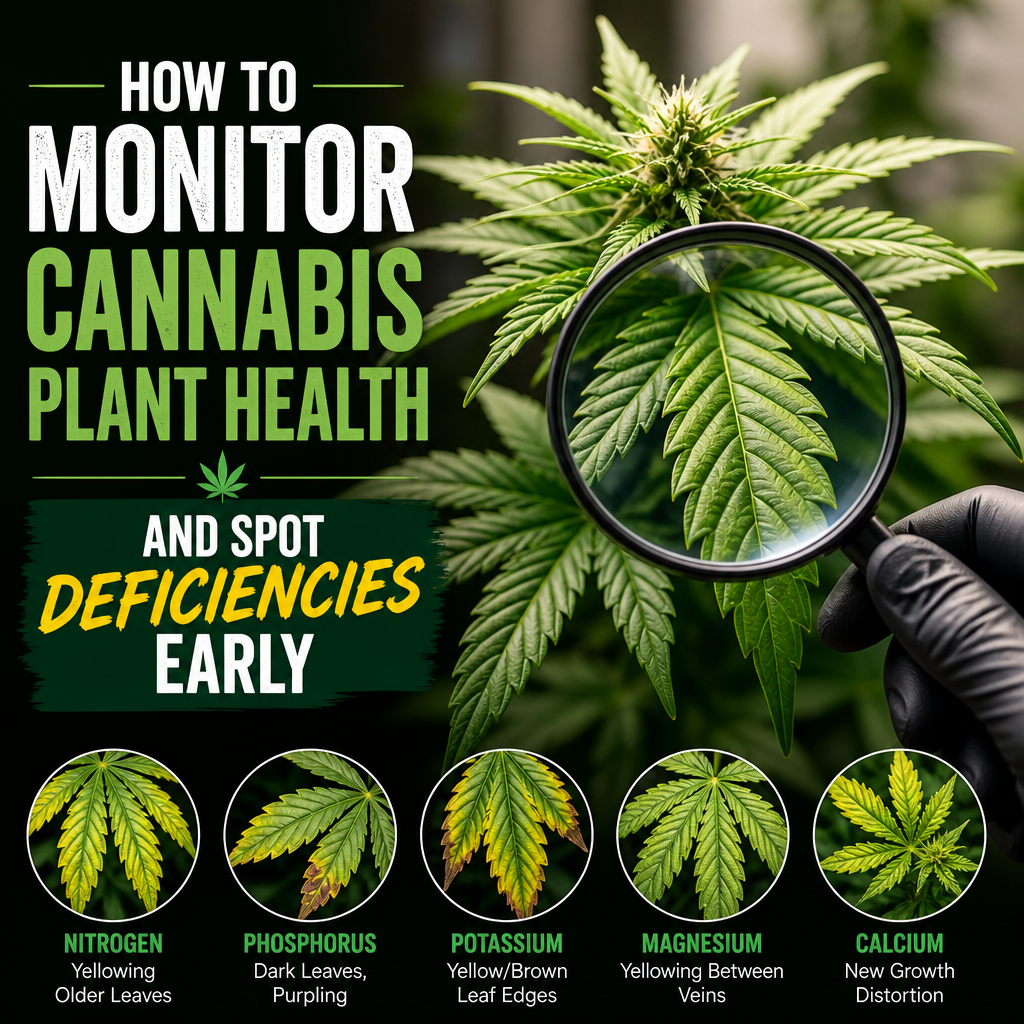
Yellowing that begins on the oldest leaves may indicate a nitrogen deficiency, especially if it is even and gradually moves upward. However, lower leaves can also yellow naturally when they receive little light or reach the end of their useful life. If the rest of the plant is vigorous and green, a few aging leaves may not require treatment.
Yellowing Between Leaf Veins
When veins remain green but the tissue between them turns yellow, magnesium deficiency may be a possibility, particularly on older leaves. This pattern is called interveinal chlorosis. Before adding nutrients, check whether root-zone pH is appropriate for the growing medium, as incorrect pH can limit nutrient uptake.
Pale New Growth
If the newest leaves are pale or yellow while older leaves remain relatively healthy, possible causes include iron, sulphur, calcium, or micronutrient availability problems. Root stress and cold conditions can also affect new growth. Check moisture, drainage, pH, feeding strength, and temperature before increasing fertiliser.
Recognize Common Cannabis Deficiencies
Cannabis deficiencies are best understood as patterns rather than single symptoms. Plants can show more than one issue at once, particularly when overfeeding, pH imbalance, or root stress affects nutrient uptake.
Nitrogen Deficiency
Nitrogen deficiency typically begins with uniform yellowing of older, lower leaves. Growth may slow, and the plant may appear lighter green than usual. Review the feeding schedule and ensure the growing medium is not exhausted, but avoid excessive feeding.
Phosphorus Deficiency
Possible signs include unusually dark or dull foliage, slow growth, and reddish or purplish stems in some cases. Cold root-zone temperatures and unsuitable pH can contribute to poor uptake. Purple stems alone do not prove a deficiency because some cultivars naturally develop purple tones.
Potassium Deficiency
Potassium problems often appear as yellowing or browning along leaf edges and tips, usually starting on older leaves. This can resemble nutrient burn, but potassium-related symptoms often affect the leaf margins more broadly, while nutrient burn may begin as small burnt tips on otherwise dark green leaves.
Calcium and Magnesium Deficiency
Calcium-related problems commonly affect new growth, causing irregular brown spots, distorted edges, or small necrotic marks. Magnesium deficiency more often causes interveinal yellowing on older leaves and may progress to rusty spots or upward-curled leaf edges. Stable watering, suitable pH, good airflow, and healthy roots all support nutrient uptake.
Check Watering and Root Health
Many apparent cannabis deficiencies are actually root-zone problems. Roots need moisture, oxygen, and suitable conditions to absorb nutrients properly. When the medium remains waterlogged, roots can struggle even when nutrients are available.
Overwatering commonly causes leaves to droop heavily while the medium stays wet for too long. Underwatering can also cause drooping, but the pot or soil will feel light and dry. For practical guidance on timing and technique, see how often to water cannabis plants.
For container-grown plants, lift the pot before watering to learn its weight when dry versus moist. Water thoroughly when needed, then allow the medium to dry to an appropriate level before watering again. The timing depends on pot size, plant size, temperature, airflow, and growing medium.
Healthy roots are usually pale cream or white and have a fresh, earthy smell. Dark, slimy, or foul-smelling roots may suggest poor drainage or disease pressure. Avoid compacting soil and use containers with adequate drainage holes.
Monitor Light, Environment, and Pests
Leaf posture can reveal problems with light intensity, heat, humidity, and airflow. Leaves that curl upward at the edges, sometimes called tacoing, may indicate excessive heat or intense light near the canopy. Bleached leaves or pale patches directly beneath a grow light may also indicate excessive intensity.
In these situations, increasing nutrients is unlikely to help. Adjusting light distance or intensity, improving airflow, and avoiding major temperature or humidity swings may be more appropriate.
Inspect leaves regularly for insects, webbing, stippling, sticky residue, and mildew-like growth. Check undersides carefully, since pests often shelter there. A measured approach based on integrated pest management principles from the U.S. Environmental Protection Agency can help growers identify problems and use prevention before relying on treatment.
Respond Carefully to Problems
When symptoms appear, avoid changing everything at once. First check watering, drainage, root-zone pH, feeding strength, light conditions, temperature, humidity, and pest activity. Then make one careful adjustment and observe the plant’s response over the following days.
Consistent observation is more useful than chasing a perfect appearance. By monitoring patterns in leaves, growth, roots, and the environment, growers can catch problems early and maintain stronger, more resilient plants.