
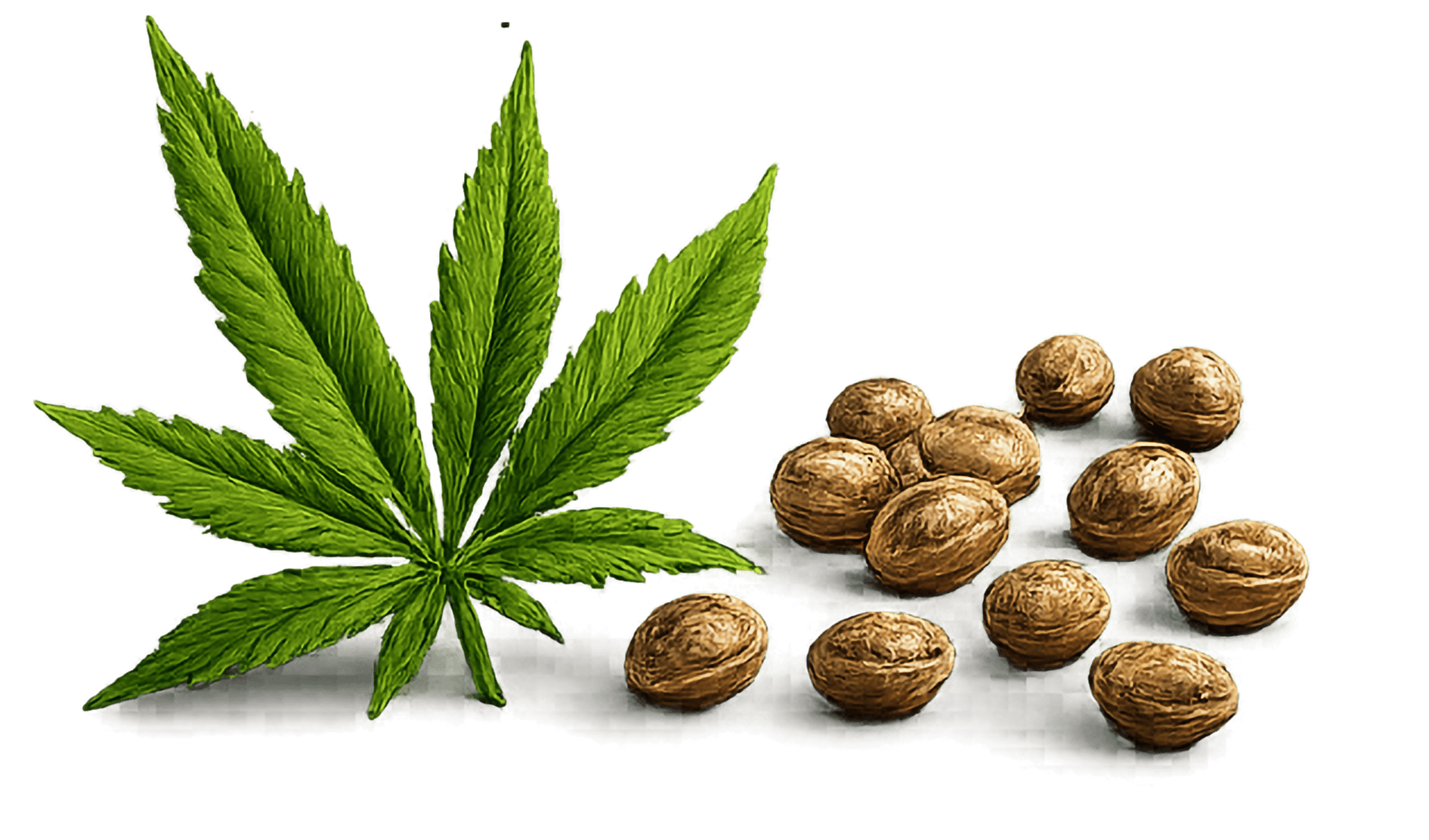

Starting cannabis plants from seed can be rewarding, but the first stage is also one of the most delicate: germination. Healthy seeds need the right balance of moisture, warmth, oxygen, and gentle handling to begin growing. Cannabis seed soaking is a simple pre-germination technique that can help hydrate the seed coat and encourage the first root, known as the taproot, to emerge.
This guide explains how to soak cannabis seeds safely, choose suitable germination water, recognize when seeds are ready to plant, and avoid common mistakes that can slow or prevent germination.
> Note: Always follow the laws and regulations that apply where you live. This article is intended for lawful horticultural purposes only.
Why Soak Cannabis Seeds?

A cannabis seed has a protective outer shell that keeps the embryo safe until conditions are favorable. When the seed absorbs moisture, internal processes begin: enzymes activate, stored energy becomes available, and the shell gradually softens.
Soaking can be helpful because it:
– Hydrates seeds evenly before planting
– Softens a hard seed coat
– Gives you an early indication of whether a seed is viable
– May shorten the time before a taproot appears
– Makes it easier to move seeds into a growing medium at the right time
Not every seed must be soaked. Many growers place seeds directly into lightly moistened soil or another starter medium with good results. Still, soaking is a practical option when you want to monitor the early germination process closely.
For more growing basics, you can also visit Canna Seeds For Free.
What You Need for Cannabis Seed Soaking
The process requires very little equipment. Keep everything clean, simple, and gentle.
Basic Supplies
Gather the following items:
– Cannabis seeds
– A clean glass, cup, or small jar
– Fresh water
– A dark, warm location
– Clean tweezers, optional but useful
– A prepared growing medium, such as seed-starting mix, coco coir, or a suitable plug
Avoid using containers that may have traces of soap, food residue, cleaning products, or oils. Even small contaminants can create problems for a newly germinating seed.
Choosing the Right Germination Water
The quality and temperature of your germination water matter more than many beginners expect. Seeds need moisture, but harsh chemicals, excessive mineral content, or unsuitable temperatures can create unnecessary stress.
Use Clean, Mild Water
Filtered water, bottled spring water, or properly conditioned tap water are common options. If using tap water, consider letting it sit in an open container for several hours if it has a strong chlorine smell. Some municipalities use chloramine, which does not dissipate as easily, so a basic water filter may be a better choice in that case.
The goal is not to create a complicated nutrient solution. At this early stage, the seed already contains the energy it needs to sprout.
Keep the pH Reasonable
For most germination methods, water that is close to neutral is a sensible starting point. A mildly acidic-to-neutral range—approximately pH 6 to 7—is commonly used for cannabis seed soaking.
Extremely acidic or alkaline water can interfere with normal germination. If you do not have a pH meter, clean water from a reliable source is usually more important than chasing a perfectly precise number.
Aim for Room Temperature
Cold water can slow hydration, while hot water can damage the seed. Use water that feels comfortably cool or room temperature rather than warm.
A useful target is roughly:
– 68–75°F (20–24°C) for soaking and early germination conditions
Never use boiling water, hot tap water, or water heated in a microwave. A seed may look intact after exposure to excess heat, but the embryo inside can be damaged.
Step-by-Step: How to Soak Cannabis Seeds
The process is straightforward. The most important rule is not to leave seeds submerged for too long.
1. Prepare a Clean Container
Fill a clean glass or jar about halfway with room-temperature germination water. Leaving space at the top makes the container easier to move without spilling.
You only need enough water to fully cover the seeds. There is no benefit to using a large volume of water for a few seeds.
2. Add the Seeds Gently
Place the seeds on the surface of the water. At first, many seeds will float. This is normal and does not automatically mean they are bad.
After several hours, some seeds may sink as they absorb water. Others may remain near the surface longer. Do not press, squeeze, or force floating seeds underwater. If necessary, you can gently tap them after a few hours, but avoid rough handling.
3. Place the Container in a Warm, Dark Area
Seeds do not need bright light to germinate. In fact, a dark, stable environment is usually preferable.
Good locations may include:
– A cupboard away from heat-producing appliances
– A drawer in a warm room
– A shelf inside a dark cabinet
– A covered area with consistent room temperature
Avoid windowsills, direct sunlight, cold garages, and areas with frequent temperature swings.
4. Check the Seeds Periodically
Inspect the seeds after about 12 hours and again at 18 to 24 hours. You are looking for signs that the shell is softening or cracking.
Possible early signs of progress include:
– A small split along the seam of the shell
– A tiny white tip beginning to emerge
– The seed becoming slightly larger as it absorbs moisture
Use clean hands or sanitized tweezers if you need to move a seed. The emerging taproot is extremely fragile and should never be touched directly.
5. Remove Seeds Within 24 Hours
A common mistake is assuming that longer soaking produces faster germination. In reality, seeds need oxygen as well as water. Leaving them underwater too long can increase the risk of oxygen deprivation, rot, or fungal issues.
As a general guideline:
– 12–18 hours: Often sufficient for fresh, healthy seeds
– Up to 24 hours: A reasonable maximum for most seeds
– Beyond 24 hours: Usually not recommended unless you have a specific, proven reason and are monitoring closely
If a seed has not opened after soaking, transfer it to a moist germination medium rather than leaving it submerged.
What to Do After Soaking
Once the seed has soaked, it should be moved into a medium that provides moisture and oxygen. There are several options, but all of them follow the same principle: keep the environment moist, warm, clean, and not waterlogged.
Plant Directly Into a Starter Medium
For many growers, this is the simplest next step. Use a light, airy seed-starting mix or another appropriate medium. Make a small hole about ¼ to ½ inch deep (roughly 0.5 to 1 centimeter).
Place the seed gently into the hole. If a taproot is visible, position it pointing downward whenever possible. Cover it lightly and mist or water the surrounding medium until evenly moist.
Do not compact the soil tightly. The new root needs access to oxygen and an easy path forward.
Use a Moist Paper Towel Method
Another common option is to place soaked seeds between damp—not dripping—paper towels. Put the towels inside a clean container or between two plates to help retain moisture and block light.
Check the seeds once or twice per day. As soon as the taproot appears and reaches a few millimeters long, carefully transfer the seed into its growing medium.
The paper towel method offers visibility, but it also requires care. Roots can grow into paper fibers if left too long, making transplanting more difficult.
Use Plugs or Starter Cubes
Peat-free starter plugs, coco plugs, and similar propagation cubes can offer a convenient balance between moisture retention and airflow. Pre-moisten the plug, create a small opening if needed, and insert the seed carefully.
This method can reduce transplant stress because the young seedling can remain in the plug until it is ready for a larger container.
How Long Does Germination Take?
After soaking, many viable cannabis seeds will sprout within 24 to 72 hours under stable conditions. Some can take longer, especially if they are older, have a thicker shell, or have been stored poorly.
Patience matters. Digging up a seed repeatedly to check progress can interrupt or damage the process.
Factors that influence germination speed include:
– Seed age and storage conditions
– Genetics
– Water quality
– Temperature
– Moisture consistency
– Oxygen availability
– Handling during transfer
A healthy seed does not always sprout immediately, and a slower seed is not necessarily a failed seed.
Common Cannabis Seed Soaking Mistakes
A successful soak is less about complicated additives and more about avoiding preventable errors.
Soaking Seeds Too Long
Extended submersion is one of the most common problems. Seeds require oxygen, and standing water limits access to it. If you are unsure whether a seed has soaked long enough, transfer it to a moist medium after 18 to 24 hours rather than extending the soak.
Using Hot or Cold Water
Temperature extremes can delay germination or harm the embryo. Stick with room-temperature germination water and keep the container in a stable environment.
Adding Nutrients or Fertilizer
Seeds do not need fertilizer during soaking. Strong nutrient products, hydrogen peroxide treatments, sugars, or other additives may create more risk than benefit for beginners.
Plain, clean water is generally the best choice.
Overwatering After Transfer
Once the seed moves into soil or a plug, growers sometimes overcompensate by keeping the medium saturated. Excess water reduces oxygen around the seed and can lead to damping-off or rot.
The medium should feel evenly moist, similar to a wrung-out sponge—not muddy, dripping, or flooded.
Touching the Taproot
The white taproot is delicate. Oils, pressure, and accidental bending can harm it. Handle the seed by its shell using clean tweezers, and plant it promptly once the root appears.
Expecting Every Seed to Germinate
Even high-quality seeds may occasionally fail due to age, handling, genetics, or storage conditions. Germination is a biological process, not a guarantee. Starting more seeds than you need—where lawful and appropriate—can help account for normal variation.
A Simple Example Schedule
For a straightforward cannabis seed soaking routine, follow this timeline:
1. Morning: Fill a clean glass with room-temperature water and add the seeds.
2. Evening: Check for swelling, cracking, or early taproot emergence.
3. Next morning: Remove all seeds, whether or not they have cracked.
4. Immediately afterward: Place seeds into a lightly moistened starter medium, plug, or paper towel setup.
5. Over the next several days: Maintain stable warmth and moisture while checking gently for emergence.
This approach avoids prolonged soaking while still giving seeds a useful hydration period.
Conclusion
Soaking cannabis seeds is a simple way to begin germination, especially when done with clean germination water, a stable temperature, and careful timing. Keep the soak short—typically no more than 24 hours—then transfer seeds into a moist, airy medium where they can access both water and oxygen.
The key is restraint: avoid additives, avoid overwatering, and avoid handling the emerging taproot. With clean conditions and patience, cannabis seed soaking can provide a reliable, beginner-friendly start to successful germination.
For a scientific overview of seed imbibition and germination timing, see the NCBI Bookshelf guide to seed germination.