
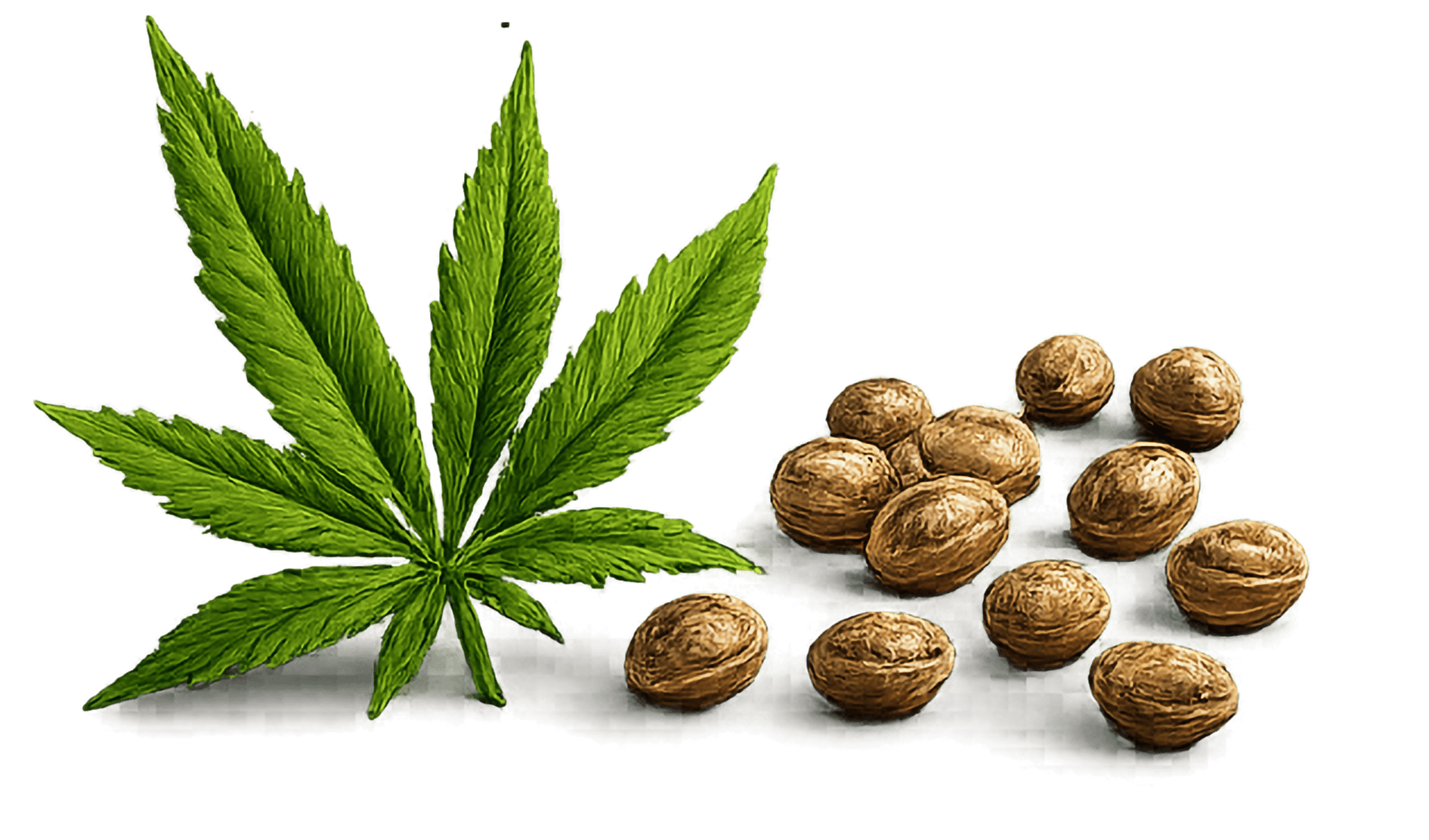

Getting the right cannabis germination temperature and germination humidity is the difference between seeds that sprout reliably and seeds that stall, rot, or grow mold. During this short, high-stakes stage, you’re essentially building a stable “microclimate” so the seed can absorb water, activate enzymes, and start forming a strong taproot.
This guide covers the ideal environmental conditions for seed germination, practical ways to maintain them, and what to do if temperature or humidity drifts outside the recommended range.
Always follow local laws and regulations regarding cannabis cultivation and possession.
Ideal Cannabis Germination Temperature

The ideal germination temperature is generally 70–85°F (21–29°C). Most growers aim for a consistent temperature around 75–80°F (24–27°C) because this range supports fast, reliable germination without overheating the seeds.
At these temperatures, internal biological processes move into action. Moisture penetrates the seed coat, enzymes begin converting stored nutrients into usable energy, and the embryo starts developing a taproot.
Recommended Temperature Range at a Glance
| Condition | Temperature Range | Expected Result |
|---|---|---|
| Ideal range | 75–80°F (24–27°C) | Fast, consistent seed germination |
| Acceptable range | 70–85°F (21–29°C) | Germination is usually successful |
| Too cool | Below 65°F (18°C) | Slow germination and increased failure risk |
| Too warm | Above 85°F (29°C) | Stress, drying, mold, or reduced viability |
| Dangerous heat | Above 90°F (32°C) | Seeds may be damaged or fail to sprout |
A stable temperature matters just as much as the target number. Repeated swings between cold nights and hot days can delay germination, especially in paper towel, starter plug, or soil methods.
Why Temperature Matters for Seed Germination
Temperature influences how quickly a cannabis seed can complete the germination process. Seeds do not need light to sprout, but they do need warmth and moisture.
When conditions are warm enough, the seed absorbs water through its outer shell. This process, called imbibition, triggers metabolic activity inside the seed. The embryo then uses stored carbohydrates and nutrients to push out the first root (the taproot).
Temperatures That Are Too Low
Cold temperatures slow the seed’s metabolism. A seed kept around 55–65°F (13–18°C) may still germinate, but it can take much longer than expected. Slow germination leaves the seed exposed to excess moisture for more time, increasing the chance of fungal growth or rot.
Common signs of conditions that are too cool include:
- Seeds taking longer than 5–10 days to open
- Little or no taproot development
- Soft or darkening seed shells
- Wet paper towels or soil that stay cold and saturated
- Uneven germination among several seeds
Temperatures That Are Too High
Excess heat can be equally problematic. A warm room may seem ideal, but placing seeds near a heater, on top of hot equipment, or in direct sunlight can push temperatures above the safe range quickly.
When temperatures climb above 85°F (29°C), moisture evaporates more quickly and the seed may become stressed. If the growing medium dries out, the emerging taproot can be damaged. High heat combined with high germination humidity also creates favorable conditions for mold.
Avoid placing germinating seeds:
- Directly on heating mats without a thermostat
- On windowsills exposed to intense sunlight
- Near radiators, furnaces, or heat vents
- In sealed containers that trap excessive heat
- Under strong grow lights before seedlings emerge
Ideal Germination Humidity
Humidity is another key factor in early development. For cannabis seed germination, an ambient relative humidity level of approximately 70–90% is generally suitable, especially when seeds are in a humidity dome, paper towel setup, or starter tray.
However, the most important consideration is moisture around the seed itself. Seeds need consistent access to moisture, but they should not sit in standing water or overly saturated material for long periods.
As a practical rule, keep the germination medium moist, not soaking wet.
Target Humidity Levels
| Germination Stage | Recommended Relative Humidity |
|---|---|
| Seed before sprouting | 70–90% RH |
| Seedling just emerged | 65–75% RH |
| Early seedling development | 60–70% RH |
Higher humidity helps prevent the seed and surrounding medium from drying out before sprouting. After seedlings emerge and begin developing leaves, gradually lowering humidity can support stronger growth and reduce the risk of damping-off disease.
Moisture vs. Humidity: Understanding the Difference
Humidity refers to water vapor in the surrounding air. Moisture refers to the water directly available in the germination medium, such as soil, a paper towel, coco coir, or a starter plug.
Both matter, but moisture is often more critical during seed germination.
For example, a seed placed in a dry paper towel inside a very humid room may fail because it can’t absorb enough water. On the other hand, a seed soaked in water or packed into waterlogged soil can struggle because it lacks oxygen.
Cannabis seeds need three main things to germinate:
- Moisture to soften the seed coat and activate growth.
- Warmth to support metabolic activity.
- Oxygen to fuel the developing embryo.
Overwatering can reduce available oxygen around the seed. This is why a damp paper towel or lightly moistened starter plug often works better than a container of water.
If you want to improve results beyond temperature and humidity, start with healthy seed quality. See Choose Healthy Cannabis Seeds: A Quality Guide.
Best Environmental Setup for Germination
The simplest goal is to create a stable microclimate: warm, moist, dark or dim, and well ventilated enough to prevent mold.
A basic germination setup may include:
- A clean paper towel, starter plug, or light seed-starting mix
- A sealed or partially covered container
- A thermometer and hygrometer
- A seedling heat mat with thermostat, if the room is cool
- A humidity dome for trays or starter plugs
- Clean water, ideally at room temperature
For more general, science-based guidance on seed germination physiology, you can reference this review from the National Center for Biotechnology Information (NCBI).
Using a Heat Mat Safely
A seedling heat mat can be useful when room temperatures regularly fall below 70°F (21°C). It provides gentle bottom heat, helping the germination medium stay within the ideal cannabis germination temperature range.
However, heat mats should be used carefully. Some can become much warmer than expected, especially when placed directly under a small container.
For best results:
- Use a thermostat probe to monitor the medium temperature.
- Set the thermostat to around 75–80°F (24–27°C).
- Avoid placing seeds directly against a hot mat surface.
- Check moisture more frequently, since heat can dry media faster.
- Turn off or reduce heat after seedlings have emerged if temperatures become excessive.
Using a Humidity Dome
Humidity domes are helpful for maintaining germination humidity in dry homes or climates. They reduce moisture loss from starter trays and help keep conditions more stable.
Still, a dome shouldn’t be treated as a sealed, permanent enclosure. Stagnant humid air can encourage mold and fungal diseases.
To use a dome effectively:
- Keep the growing medium lightly moist before covering it.
- Check daily for condensation and excess water.
- Open vents or briefly lift the dome once a day for air exchange.
- Remove the dome gradually after seedlings emerge.
- Avoid leaving seedlings in extremely humid conditions for too long.
How Different Germination Methods Affect Temperature and Humidity
The ideal environmental conditions remain similar across methods, but each approach manages moisture and airflow differently.
Paper Towel Method
The paper towel method is popular because it makes it easier to monitor germination progress. Seeds are placed between damp—not dripping—paper towels and kept in a container, bag, or between plates.
For this method, aim for:
- Temperature: 75–80°F (24–27°C)
- Humidity: High inside the container, without pooling water
- Light: Darkness or low light until the taproot appears
- Monitoring: Check once daily for moisture, mold, and root emergence
The paper towel should feel like a wrung-out sponge. If water drips when squeezed, it is too wet.
Direct-to-Soil Germination
Germinating directly in a light soil mix or seed-starting medium reduces handling and avoids transplanting a fragile taproot.
For direct-to-soil germination:
- Keep soil temperature around 72–80°F (22–27°C).
- Plant seeds roughly ¼–½ inch deep.
- Mist or lightly water the planting site.
- Keep the medium evenly moist, never saturated.
- Use a humidity dome only if the room is very dry.
A common mistake is watering heavily after planting. Excessively wet soil can compact around the seed and reduce oxygen availability.
Starter Plugs or Coco Coir
Starter plugs, peat pellets, and coco coir plugs offer a convenient middle ground. They retain moisture while still allowing airflow around the developing root.
Before inserting a seed, hydrate the plug and gently squeeze out excess water. The plug should be moist throughout but should not release water when pressed.
This method works especially well in a propagation tray with a clear dome, provided the tray gets occasional ventilation.
Signs Your Conditions Are Correct
When temperature and germination humidity are properly balanced, healthy cannabis seeds often show visible progress within 24 hours to 7 days, depending on seed age, genetics, and storage history.
Positive signs include:
- Seed shells splitting cleanly
- A white, firm taproot emerging
- Consistent moisture in the medium
- No sour smell or fuzzy mold
- Seedlings emerging with upright stems
- Cotyledons opening within a few days of emergence
Not every seed germinates at exactly the same speed. Fresh, mature seeds typically sprout faster than old or poorly stored seeds.
Common Environmental Problems and Fixes
Problem: Seeds Are Not Opening
If seeds have been in a warm, moist environment for several days with no change, check the temperature first. A cool room is one of the most common causes of delayed germination.
Possible fix: Raise the medium temperature to 75–80°F (24–27°C) using a thermostat-controlled heat mat or a warmer indoor location.
Problem: Paper Towels Keep Drying Out
Dry air, heat mats, or open containers can cause moisture to evaporate quickly.
Possible fix: Re-moisten the towel with clean water, ensuring it is damp but not soaked. Place it inside a partially sealed container or bag to retain humidity.
Problem: Mold Appears on Seeds or Towels
Mold usually develops when there is too much moisture, poor sanitation, warm stagnant air, or a combination of all three.
Possible fix: Replace contaminated towels, use clean containers, reduce excess water, and allow brief daily airflow. Avoid overcrowding multiple seeds in one small space.
Problem: Seeds Become Soft or Dark
Soft, mushy, or discolored seeds may be rotting from prolonged saturation or poor seed quality.
Possible fix: Improve drainage and oxygen in future attempts. Use damp rather than wet media, and avoid soaking seeds for extended periods.
Problem: Seedlings Stretch After Sprouting
Stretching is not usually caused by poor germination temperature or humidity. It typically happens when newly emerged seedlings do not receive enough light.
Possible fix: Once seedlings emerge, provide appropriate gentle light and maintain moderate humidity rather than keeping them under a closed dome for too long.
A Simple Target Environment
For a reliable setup, keep these target conditions in mind:
- Cannabis germination temperature: 75–80°F (24–27°C)
- Acceptable temperature range: 70–85°F (21–29°C)
- Germination humidity: 70–90% RH before sprouting
- Growing medium: Moist, airy, and never waterlogged
- Light: Not required until seedlings emerge
- Airflow: Gentle and periodic to prevent mold
- Daily checks: Monitor temperature, moisture, and signs of growth
Consistency matters more than chasing extreme conditions. Seeds don’t need intense heat or constant soaking. They respond best to gentle warmth, reliable moisture, and enough oxygen to support early root development.
Conclusion
The best conditions for cannabis seed germination are warm, stable, and moderately humid. Aim for a cannabis germination temperature around 75–80°F (24–27°C) and germination humidity generally between 70% and 90% before sprouting. Keep the medium damp rather than saturated, and provide enough airflow to reduce mold risk.
By controlling temperature, moisture, and humidity from the beginning, you can improve germination speed, protect delicate taproots, and help seedlings start strong.
If you’re starting with autoflowers, you may also want to review variety-specific expectations—browse Northern Light Auto for an example of a commonly requested option.