

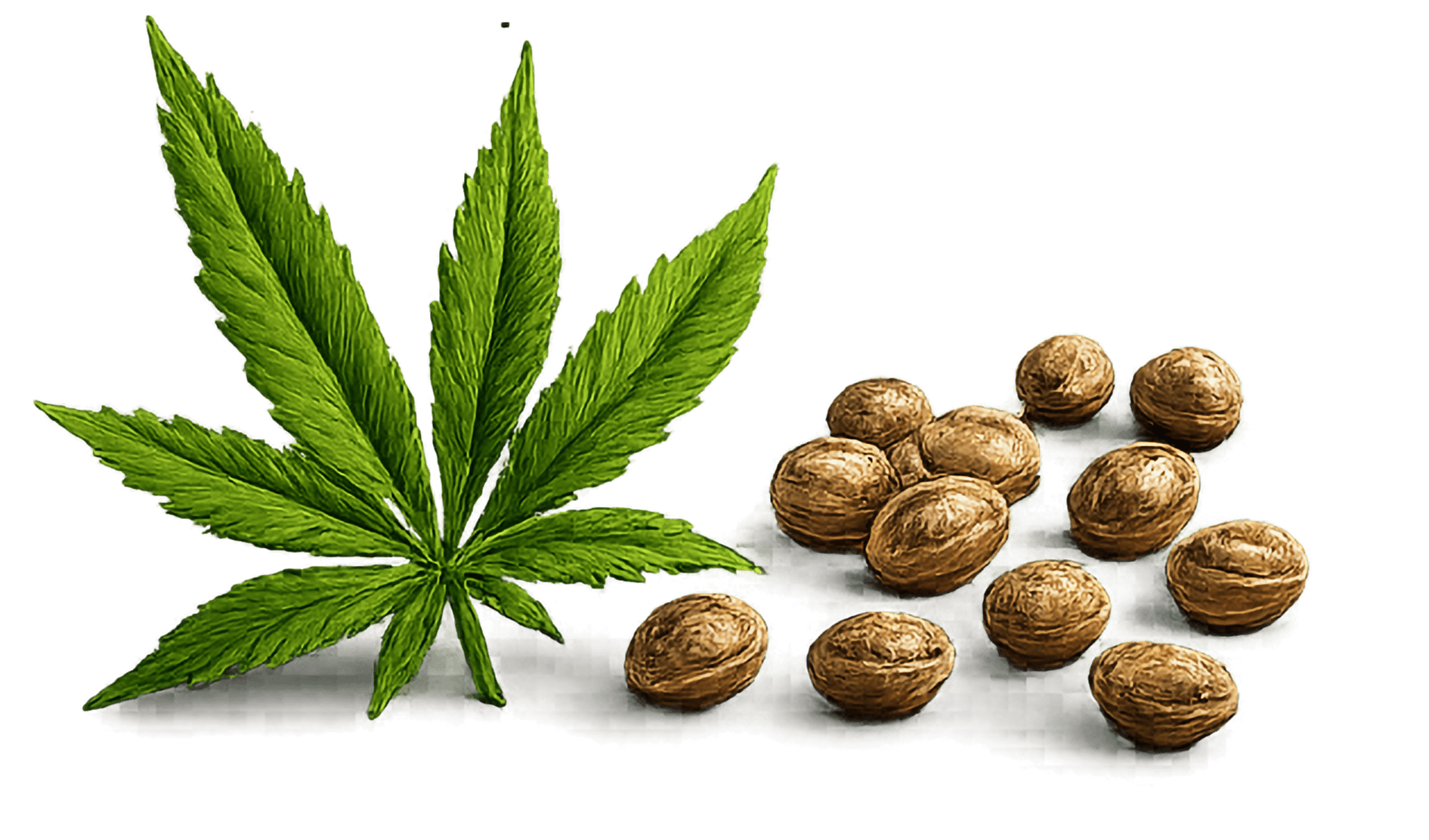

Light is one of the most important factors in successful cannabis cultivation. It drives photosynthesis, influences plant structure, and helps determine how well a plant develops from the seedling stage through flowering.
Choosing the best light for cannabis plants is not only about buying the most powerful fixture. Growers also need to consider light intensity, coverage, heat, daily schedules, growing space, and whether they are cultivating indoors or outdoors.
Natural sunlight can produce excellent results in the right climate, while modern LED grow lights offer control and consistency for indoor gardens. Understanding the strengths of each option helps growers create a stable environment for healthy, vigorous plants.
Why This Matters
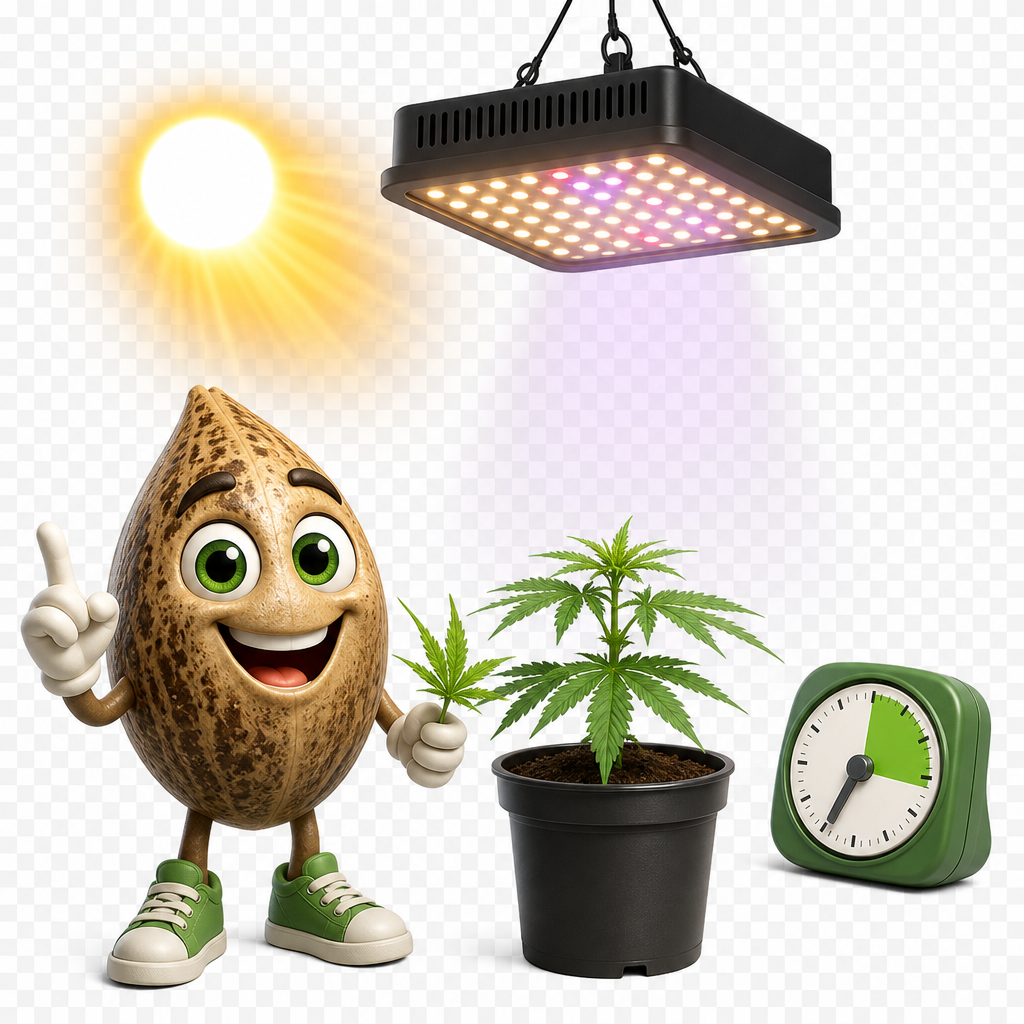
Cannabis lighting affects nearly every stage of plant growth. A plant receiving too little light may stretch, develop weak stems, and produce small, airy flowers. Too much intensity, especially when plants are young or not properly acclimated, can cause stress and leaf damage.
The right light source also helps growers manage plant timing. Cannabis plants use changes in day length to determine when many varieties should move from vegetative growth into flowering. This makes light schedules especially important for photoperiod plants.
For beginners, understanding cannabis grow lights can prevent costly mistakes. For experienced growers, refining light placement, intensity, and timing can improve consistency from one crop to the next.
Light choices should always suit your space and local laws. Before growing cannabis, check the regulations that apply in your area and only cultivate where it is legal to do so.
Step-by-Step Explanation
Understand What Cannabis Plants Need From Light
Plants use light energy to turn water and carbon dioxide into sugars through photosynthesis. Those sugars support leaf growth, root development, stem strength, and flower production.
However, plants do not use every type of light equally. For indoor cultivation, growers generally look for fixtures that produce useful light across a broad spectrum, including blue and red wavelengths.
Blue-rich light is often associated with compact vegetative growth. Red-rich light is important during flowering, although plants benefit from a balanced spectrum throughout their life cycle.
Modern full-spectrum LED grow lights are popular because they can support seedlings, vegetative plants, and flowering plants with one fixture. Rather than focusing only on a light’s advertised wattage, consider its coverage area, efficiency, heat output, and manufacturer guidance.
Option One: Growing With Natural Sunlight
Natural sunlight is a powerful and free source of cannabis lighting. Outdoor growing can offer plants a broad spectrum of light, fresh air, and plenty of space to grow when conditions are favorable.
Outdoor plants generally do best in a location that receives several hours of direct sunlight each day. A south-facing area in the Northern Hemisphere is often preferred because it can receive stronger, longer-lasting sun exposure. In the Southern Hemisphere, a north-facing location often provides similar benefits.
When choosing an outdoor spot, look for an area that is:
- Open to direct sun for much of the day
- Protected from strong, damaging winds
- Well-drained after rainfall
- Accessible for watering and inspection
- Private and compliant with local regulations
Sunlight intensity changes throughout the day and season. Morning sun is usually gentler, while midday sun is stronger. Plants grown outdoors also respond naturally to shortening daylight hours as the season progresses, which can trigger flowering in photoperiod varieties.
One challenge with sunlight is that it cannot be fully controlled. Cloudy weather, heat waves, heavy rain, pests, and seasonal changes can all affect growth. Outdoor growers should monitor plants regularly and choose seed types suited to their climate and expected growing season.
Option Two: Using LED Grow Lights Indoors
LED grow lights have become a leading choice for indoor growing because they are efficient, relatively cool compared with older lighting technologies, and available in many sizes. A good LED fixture can provide strong, plant-friendly light while using less electricity than many traditional options.
The best LED grow lights for a small grow tent may not be the same as the best fixture for a large room. Always match the light to the actual canopy area rather than selecting a fixture based solely on its maximum power rating.
When comparing cannabis grow lights, consider the following:
- Coverage area: The fixture should adequately cover the full plant canopy.
- Efficiency: Efficient lights produce more usable light per unit of electricity.
- Spectrum: Full-spectrum fixtures are practical for the entire growing cycle.
- Dimming control: Adjustable output helps protect seedlings and young plants.
- Heat management: Even LEDs produce heat, so ventilation still matters.
- Build quality: Reliable drivers, cooling systems, and safety certifications are important.
A light that is too small for the space may create uneven growth, with strong plants directly beneath the fixture and weak plants around the edges. A fixture that is too intense may require dimming or greater hanging distance.
Set the Correct Light Distance
The distance between a light and the plant canopy has a major effect on intensity. Hanging a fixture too high can lead to stretching as plants reach for stronger light. Hanging it too low can cause bleaching, curling, or stress at the top leaves.
Every LED manufacturer provides recommended hanging heights, and these are a useful starting point. Seedlings need much gentler light than mature flowering plants, so it is normal to raise lights, dim them, or both during early growth.
Watch the plants rather than relying only on a fixed measurement. Healthy plants usually have leaves angled toward the light, firm stems, and balanced growth. Signs of excessive intensity can include pale upper leaves, leaf edges curling upward, or unusually dry top growth.
A gradual approach is safest. Increase light intensity over several days after transplanting, pruning, or moving plants into a brighter environment.
Create a Light Schedule for Photoperiod Cannabis
Photoperiod cannabis plants use uninterrupted darkness as a signal for flowering. Their daily lighting schedule is one of the most important tools available to indoor growers.
During the vegetative stage, many growers use a longer daily light period. A common schedule is:
- Vegetative growth: 18 hours of light and 6 hours of darkness
- Flowering: 12 hours of light and 12 hours of uninterrupted darkness
The exact vegetative schedule can vary, but consistency is more important than chasing a perfect number. Once a photoperiod plant is switched to a 12/12 flowering schedule, darkness should remain genuinely dark.
Light leaks during the dark period can confuse plants and may contribute to stress or irregular flowering. Check grow tents, timers, indicator lights, and nearby windows for unwanted light exposure.
Use a reliable timer instead of manually switching lights on and off. Automation reduces mistakes and creates a more stable growing environment.
Light Schedules for Autoflowering Plants
Autoflowering plants differ from photoperiod varieties because they generally begin flowering according to age rather than day length. This gives indoor growers more flexibility with cannabis lighting schedules.
Many growers use schedules such as 18 hours of light and 6 hours of darkness throughout the plant’s life. Others choose 20 hours of light and 4 hours of darkness, depending on the environment, electricity use, and plant response.
More hours of light do not automatically mean better results. Plants still need a stable environment, appropriate nutrition, airflow, and watering habits. An overly intense fixture run for long periods can create unnecessary heat or stress.
Understanding seed types before planting is useful because the light schedule for an autoflower should not be managed in the same way as the schedule for a photoperiod plant.
Match Light Intensity to Each Growth Stage
Cannabis plants have different lighting needs as they mature. Young seedlings are sensitive and should not be placed immediately under strong, high-output lighting.
Seedling Stage
After germination, seedlings need gentle, even light. A dimmed LED fixture or a greater hanging distance can prevent stress while roots and first true leaves develop. Follow these cannabis seedling care guidelines to balance light with appropriate water and humidity.
Seedlings that stretch excessively may need slightly stronger light or a closer fixture. Make adjustments slowly, as delicate plants can react quickly to sudden environmental changes.
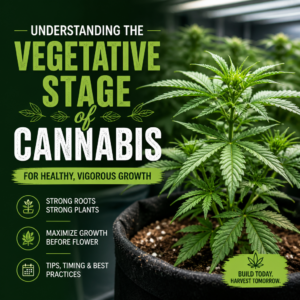
Vegetative Stage
During vegetative growth, plants need enough light to build healthy leaves, branches, and roots. This is the stage when growers often train plants, manage canopy shape, and encourage even growth.
A level canopy helps each branch receive similar light. If one plant grows taller than the others, raising shorter pots or gently training the taller plant can improve coverage.
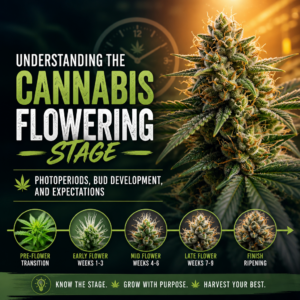
Flowering Stage
Flowering plants can generally handle more light than seedlings or young vegetative plants. However, higher intensity also increases water use, nutrient demand, and heat management requirements.
Keep the canopy even, maintain steady airflow, and inspect upper leaves regularly. Healthy flowering depends on the whole environment, not light alone.
Expert Tips
Use a Reflective, Clean Growing Area
Indoor light is most effective when it reaches the plant canopy rather than being absorbed by dark walls or clutter. Reflective tent material or clean, light-colored surfaces can help distribute light more evenly.
Keep fixtures, reflectors, and tent walls clean. Dust can reduce output over time, especially in busy growing spaces.
Measure Instead of Guessing
A dedicated PAR meter can help advanced growers measure light levels accurately. For many home growers, a quality light meter app can provide a rough comparison tool, although it is less precise than professional equipment.
Measurements are most useful when combined with plant observation. A number alone cannot show whether a plant is thirsty, overheated, nutrient-stressed, or receiving uneven airflow.
Maintain Proper Airflow and Temperature
LED grow lights run cooler than some older fixtures, but they still add heat to an enclosed space. Warm air rises, so monitor conditions near the top of the canopy rather than only at floor level.
Use appropriate ventilation and gentle air circulation to prevent hot spots around the light and stagnant air around the leaves. As light intensity increases, check moisture levels more often because plants may use water faster.
Choosing the Right Setup
Natural sunlight is often an excellent option when the climate, privacy, and local laws allow outdoor cultivation. Indoor LEDs are usually the better choice when consistent schedules, privacy, and year-round environmental control are priorities.
Whichever option you choose, start conservatively and adjust according to plant response. Good cannabis lighting combines appropriate intensity, even coverage, stable timing, ventilation, and regular observation.